Planned by buyer questions
Every image answers one buyer question, with one selling point and one piece of visual proof, in a deliberate order.
Most AI tools render one scene at a time, and the product drifts. DeepKolor's Ecommerce Scene Images skill plans the whole set first — wearing, holding, using, placing — then keeps your product's shape, color, and material consistent across every image.
Start with the deliverable your store needs today — a full scene set, one usage scene, or a cleanup of an existing photo.
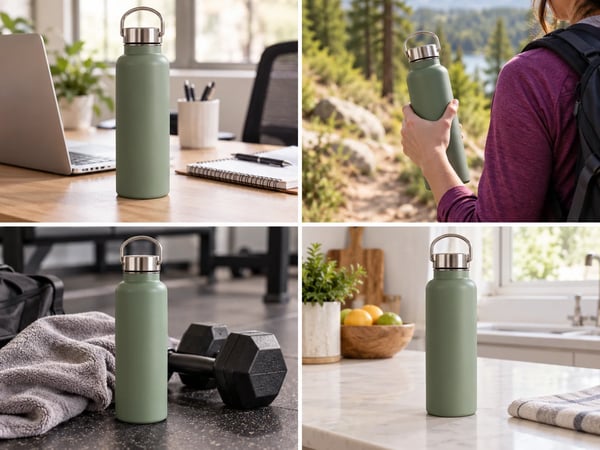
One-image-at-a-time generators leave you guessing what the set should show. This skill writes the plan first: every scene gets one buyer question and one visual purpose — how it's worn, held, installed, or stored. Review the plan and drop scenes nobody needs before a single image is generated.
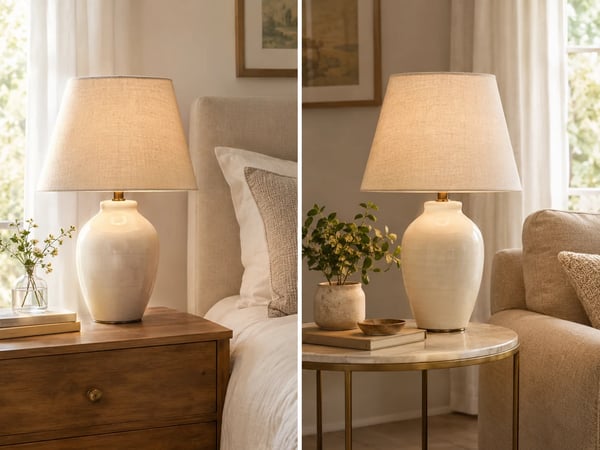
Most generators redraw the product for every scene, so colors shift, proportions drift, and details appear that you never sold. Your uploaded photos act as the anchor: scenes change the camera and the context while the product's shape, color, and material stay the ones you photographed.
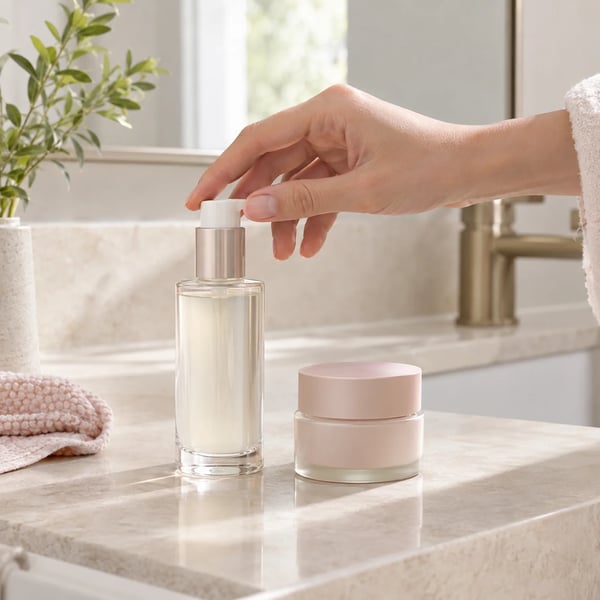
Scene photography usually means location scouting, props, and a photographer for every product. Upload the photos you already have and set the same item on a bathroom counter, a kitchen shelf, or a gym bench — moments that show how the product is actually used, ready the same day.
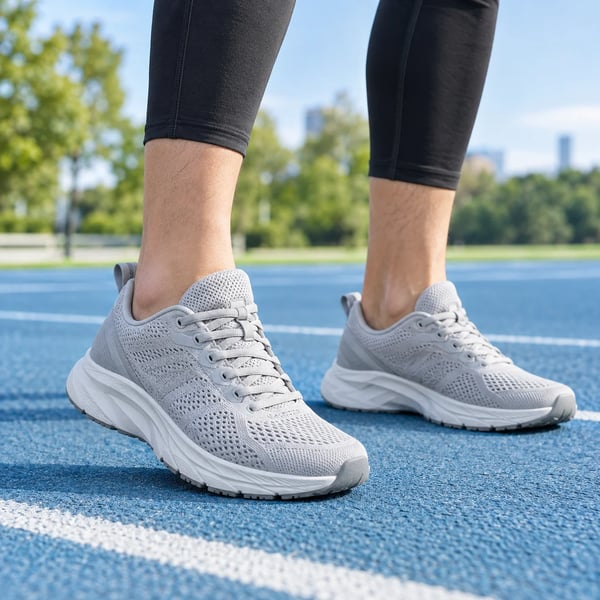
Shoppers buying apparel want to see it worn. Generate realistic wear moments — sport, commute, home — with the cut, color, and fabric kept true to your reference photos, without booking a model and a studio for every colorway.
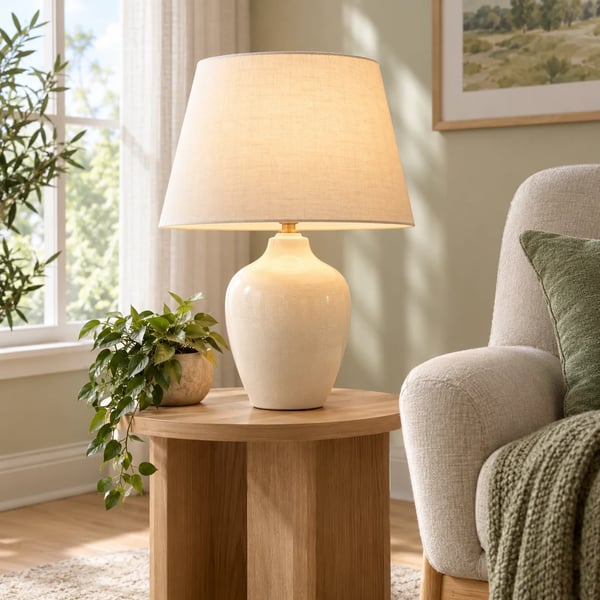
The fear when buying furniture or decor online is size. Scenes respect physical contact, scale, and shadows — the lamp rests on the side table, the shelf stands against the wall — so shoppers can judge dimensions and placement before they order.
The Ecommerce Scene Images skill is DeepKolor's guided workflow for product-in-context scene sets. You upload real product photos; the skill plans the scenes around buyer questions, generates each image independently at 1:1, and keeps your product recognizable across the whole set. The default output is eight square scenes in one campaign style.
Every image answers one buyer question, with one selling point and one piece of visual proof, in a deliberate order.
Shape, proportions, color, and material follow the photos you uploaded, so the set reads as one product.
Request a different count or aspect ratio before generating. Each image is produced independently, so a weak scene can be regenerated on its own.
Confirmed appearance, materials, and uses appear on your scenes. Unconfirmed features and claims stay off, and each set comes with a short QA note.
Four steps from raw product photos to a coordinated scene set.
Start from clear photos of the actual product — front, side, and detail views. In-use shots help too; the cleaner the references, the truer every scene stays.
The skill proposes a set of scenes, each answering one buyer question about wearing, handling, installing, or storing. Reorder or drop scenes before anything is generated.
Each image is generated independently at 1:1. Compare the product against your originals — shape, color, and proportions should match before you publish.
Collect the scenes as square, high-resolution images in one campaign style, ready for product pages, marketplaces, and social posts.
The same workflow covers first launches, catalog refreshes, and seasonal campaigns.
Show garments worn, bags carried, and jewelry styled in real moments — without booking models or a studio for every colorway.
Place lamps, furniture, and decor in believable rooms at true scale, so shoppers can judge size before ordering.
Generate the in-hand, in-routine moments — pumps, drops, application — that a plain packshot cannot show.
Refresh listings and feeds with seasonal scenes from the same product photos, one consistent style across Shopify, Amazon, and Instagram.
Amazon listings need a compliant white-background main image plus a planned set of secondary images. The Amazon Product Images skill builds that gallery to the spec Amazon enforces.
Inputs, output counts, product consistency, costs, and how this compares with single-scene tools.
Upload your product photos, approve the scene plan, and download a coordinated set of use scenes in one campaign style.
Discover focused AI workflows for your next visual task.
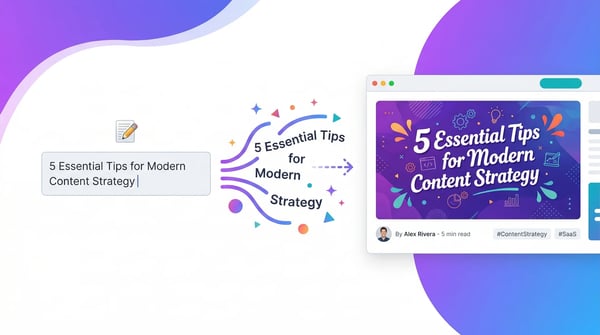
An AI blog image generator creates featured images, article illustrations, blog headers, and social sharing visuals from your article title or topic. Instead of searching stock libraries or opening design software, you describe what your post is about and get a usable image in seconds — ready for WordPress, your CMS, newsletter, or social post.
Explore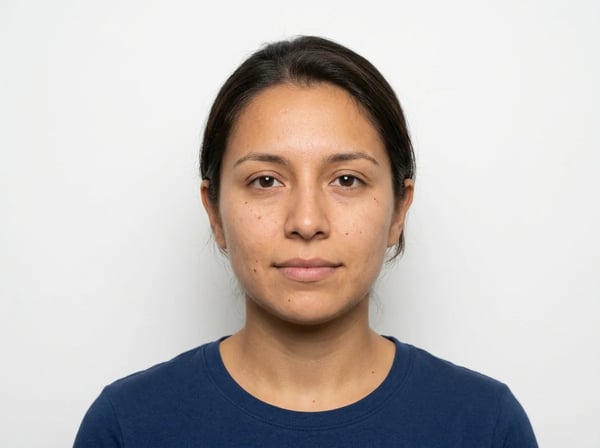
An AI ID photo maker turns your everyday portrait into an official-style ID photo. It replaces the background, adjusts clothing, crops to standard sizes, and keeps your face looking natural.
Explore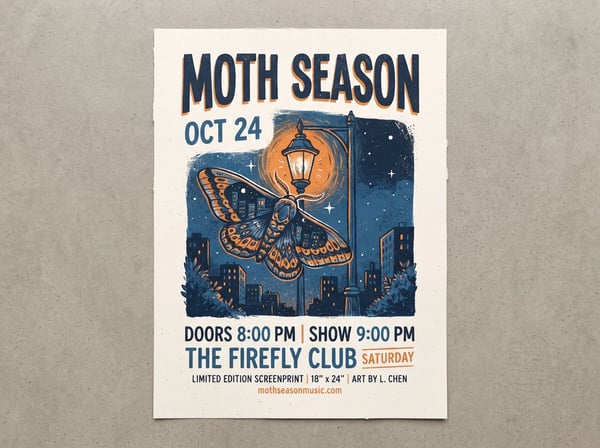
An AI poster generator is an intelligent design tool that creates professional posters through natural conversation. Unlike traditional design software or one-shot AI tools, DeepKolor lets you chat with the AI to generate, edit, and refine your posters until they are exactly right. Simply describe what you need — whether it is a marketing poster, social media graphic, event flyer, or promotional banner — and the AI brings your vision to life. No templates to browse, no complex software to learn, no back-and-forth with designers. Just talk, create, and download print-ready posters in minutes.
Explore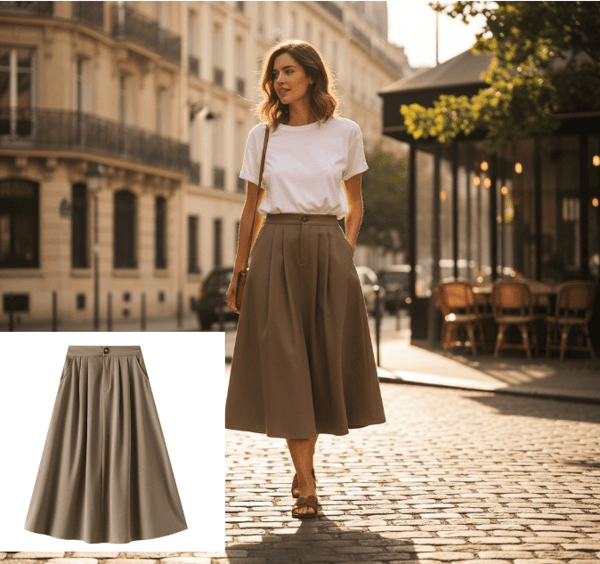
AI product photography uses artificial intelligence to generate, edit, and enhance product images for ecommerce. Transform white background product photos into professional fashion photography, lifestyle product images, and model shots without traditional photoshoots, expensive models, or studio rentals.
Explore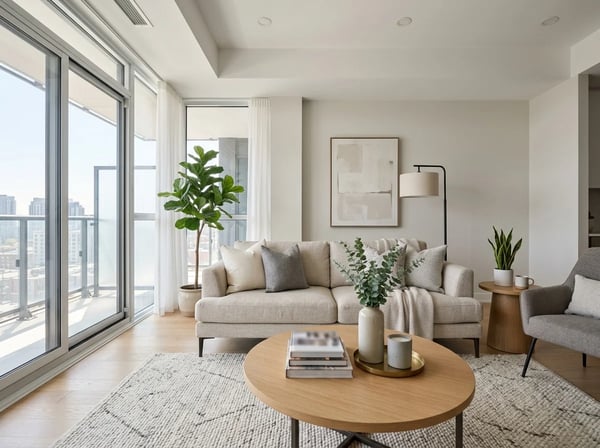
AI real estate photo editing lets agents and photographers modify property photos with natural-language instructions. Instead of briefing a retoucher and waiting for revisions, you upload a photo, describe what you want changed, and get a result you can iterate on immediately. DeepKolor supports virtual staging for vacant rooms, sky replacement for exteriors, object removal for cluttered spaces, and lighting enhancement for dark interiors.
Explore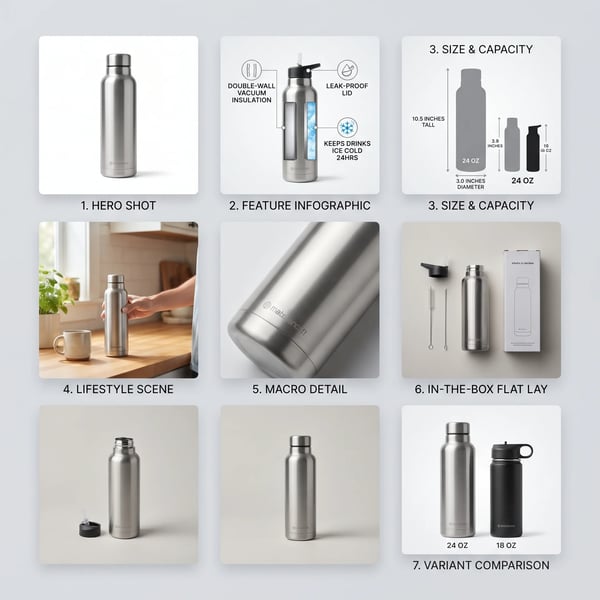
The Amazon Product Images skill is DeepKolor's guided workflow for listing galleries. You upload real product photos; the skill plans the image set, delivers the compliant main image first, then produces each secondary image — feature callouts, size charts, lifestyle scenes, detail shots — in one consistent style. Claims stay honest: only the specs you provide make it onto an image.
Explore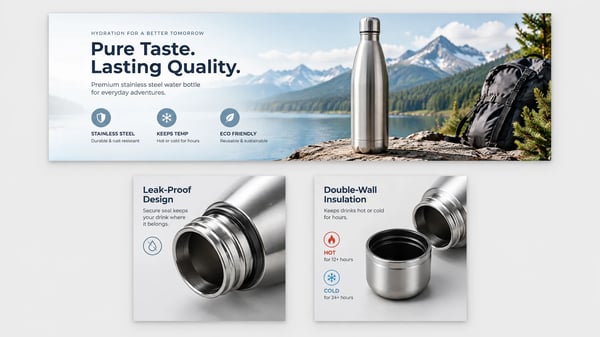
It is DeepKolor's guided agent skill for the A+ section of an Amazon detail page — the brand-owned module area below the product description. You upload real product photos, a logo, and the facts you can claim; it plans the page, generates each module image at spec, and flags anything that risks rejection. Listing photos and other marketplaces stay out of scope.
Explore
It is DeepKolor's agent skill for the full product detail page — the sequence of sales images under the buy box on marketplaces and DTC stores. You upload real product photos and the claims you can verify; it plans the page from buyer demand and generates each module image, one style across the set. Amazon A+ modules and listing galleries are separate skills.
Explore
Templates make every channel look the same. This generator composes for the click.
Explore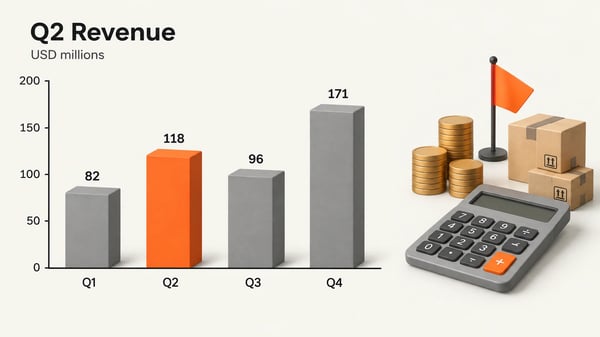
An AI infographic generator turns what you know into what people see: explainer diagrams with short in-image labels, and data charts redesigned for clarity. DeepKolor generates finished editorial-style images — concepts become cycle, pipeline, hub, before/after, or layer diagrams, while chart screenshots and raw data are redrawn with your exact values preserved. All in-image text follows your language, so the same tool works for English, Chinese, Japanese, and Spanish audiences.
Explore
Most cover makers hand you a template. This one hands you a finished cover.
Explore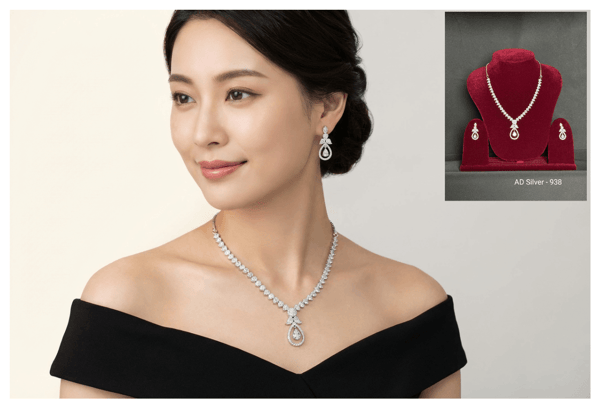
Virtual jewelry try on is an AI workflow that shows how jewelry looks on a real person before purchase or before launch. For shoppers, that means trying on jewelry online with your own photo instead of guessing from packshots. For jewelry brands, it means creating jewelry on model photos, product visuals, and marketing assets faster without a traditional shoot.
Explore