Filled-out 3D shape
Shoulders, chest, and waist hold a natural form, so shoppers see how the garment hangs — not how it lies flat.
A flat-lay shows the design; a ghost mannequin image shows the shape. Turn the photos you already have into the filled-out, catalog-standard look — hollow neckline, natural drape, your print and color untouched — without a model, a mannequin, or a studio day.
Start with the deliverable your listing needs today — a marketplace main image, a taller listing shot, or an on-model photo instead.
A filled-out garment on a pure white background, square (1:1) — the classic ghost mannequin photo for product pages and marketplaces.
The same ghost mannequin output at 3:4 — the better fit when your listing template runs taller than square.
When the listing needs a visible person, the Virtual Try-On mini app dresses a model in your garment.
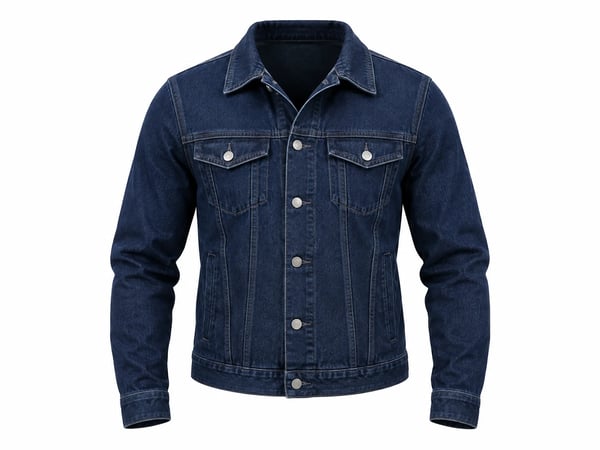
A flat-lay lays the garment out like a pattern piece, so shoppers can't tell how it hangs on a body. Upload the photo you already have — flat-lay, hanger, or on-mannequin — and get it back filled into a natural three-dimensional form: shoulder slope, chest contour, and waist curve visible. Shoppers see the wear before they ask.
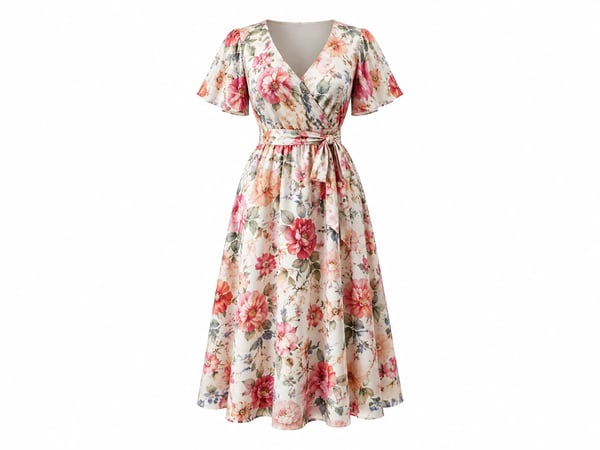
Generators love to redraw what they see — florals drift, stripes warp, buttons multiply. A proper ghost mannequin edit does the opposite: the uploaded photo anchors the garment, so color, print, logo placement, stitching, and buttons carry over exactly as photographed. Compare each result against your original before publishing; the job is your garment in a new form, not a similar one.
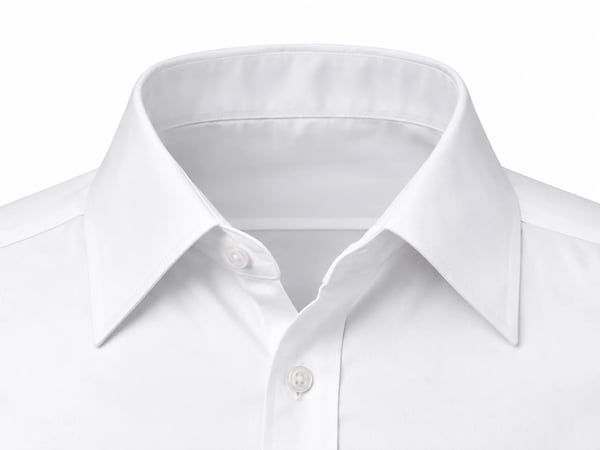
What separates a ghost mannequin image from a plain cutout is the neck: the garment keeps natural depth, with the inside of the collar and the back panel visible through the opening. The generator rebuilds this area the way brand catalogs do it, instead of flattening the collar or faking depth with a gray shadow.
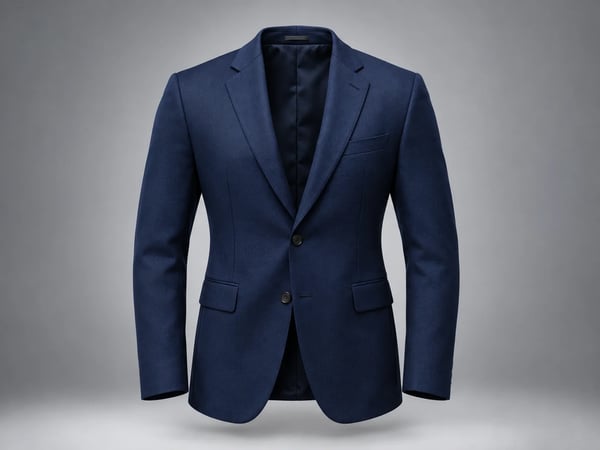
Catalog shoots often end with the garment on a visible form, and reshooting without one means another studio day. Send those mannequin photos as input and the effect moves the form out of the picture: the garment comes back filled-out on an invisible body — no form edges, no hanger, nothing about the design changed.
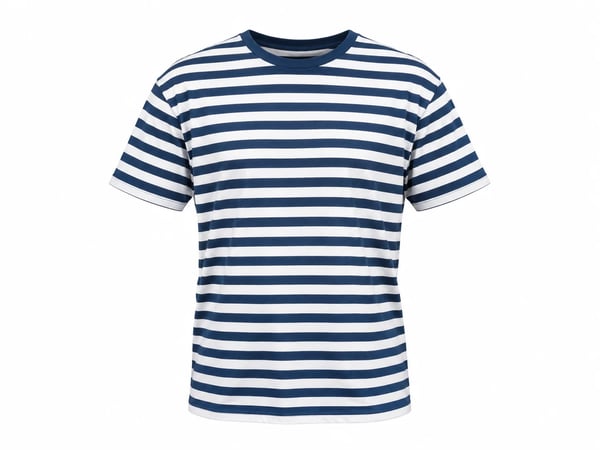
Marketplace image rules are unforgiving: pure white background, no props, no people, garment filling the frame. Each ghost mannequin image comes out at 2000px on a white studio background edge to edge — 1:1 for marketplace main images, 3:4 when the listing template runs taller. Download, upload, done.
A ghost mannequin — or invisible mannequin — image shows a garment as if worn by a see-through form: filled-out shoulders and chest, natural drape, and the hollow neckline that gives the ghost mannequin effect its name. No person, no form, no hanger in the shot — just the standard presentation for apparel listings and catalogs, produced here from photos you already have.
Shoulders, chest, and waist hold a natural form, so shoppers see how the garment hangs — not how it lies flat.
Color, print, logo, stitching, and buttons follow the uploaded photo. Styling notes change the presentation only.
One ecommerce-ready image per run at 2000px; pick the aspect ratio your listing template expects before generating.
Fur, fringe, sheer and reflective fabrics, and truth-critical interior labels lose fidelity in any AI reconstruction. You'll know the flagged cases before you spend credits.
Four steps from an ordinary garment photo to a listing-ready ghost mannequin image.
One clear photo — flat-lay, hanger, or on-mannequin. Add a back view when you have it; it improves the neckline interior and back panel.
Choose background and aspect ratio — pure white 1:1 by default — plus styling notes like collar open or buttoned. The garment itself stays untouched.
The generator fills the garment into its 3D shape and rebuilds the hollow neckline. Check the result against your original for color and details.
Get a 2000px ecommerce-ready image with no person, mannequin, or hanger in frame, ready for product pages and marketplaces.
The same workflow covers new listings, catalog refreshes, and one-off resale intakes.
Main images that meet white-background rules and still show shape — one ghost mannequin photo per colorway, no photographer booking for each.
Product pages with the filled-out, catalog-standard presentation shoppers associate with established brands — from photos any team member can take.
One flat-lay intake photo per item is all a listing needs; no mannequin queue for a one-of-one piece.
Refresh a whole catalog to one consistent ghost mannequin presentation — same background, same drape, same framing across hundreds of SKUs.
A compliant white-background main image is one slot of the listing. The Amazon Product Images tool plans the full gallery — main, alternate angles, detail shots — to the spec Amazon enforces.
Inputs, output specs, hard cases, costs, and how this tool compares with others.
Upload a garment photo and download a filled-out ghost mannequin image — no model, no mannequin, no reshoot.
Discover focused AI workflows for your next visual task.
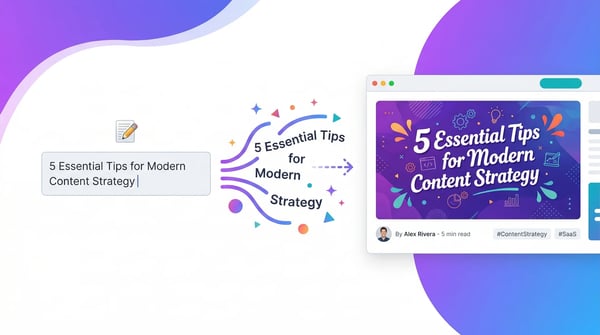
An AI blog image generator creates featured images, article illustrations, blog headers, and social sharing visuals from your article title or topic. Instead of searching stock libraries or opening design software, you describe what your post is about and get a usable image in seconds — ready for WordPress, your CMS, newsletter, or social post.
Explore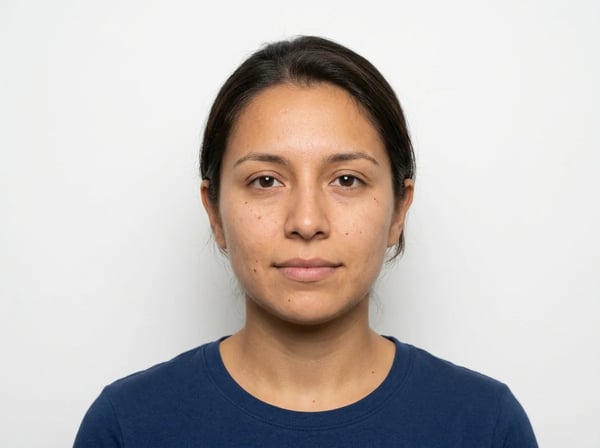
An AI ID photo maker turns your everyday portrait into an official-style ID photo. It replaces the background, adjusts clothing, crops to standard sizes, and keeps your face looking natural.
Explore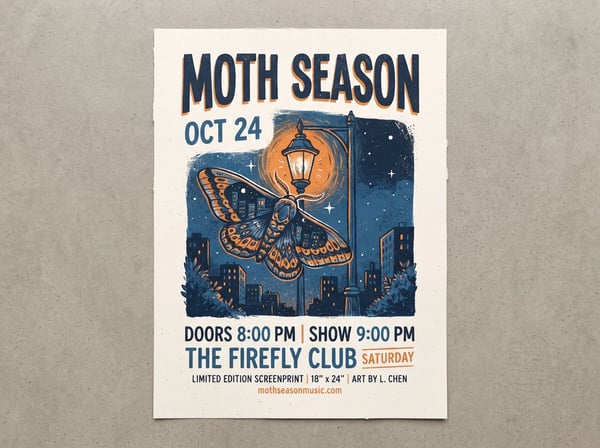
An AI poster generator is an intelligent design tool that creates professional posters through natural conversation. Unlike traditional design software or one-shot AI tools, DeepKolor lets you chat with the AI to generate, edit, and refine your posters until they are exactly right. Simply describe what you need — whether it is a marketing poster, social media graphic, event flyer, or promotional banner — and the AI brings your vision to life. No templates to browse, no complex software to learn, no back-and-forth with designers. Just talk, create, and download print-ready posters in minutes.
Explore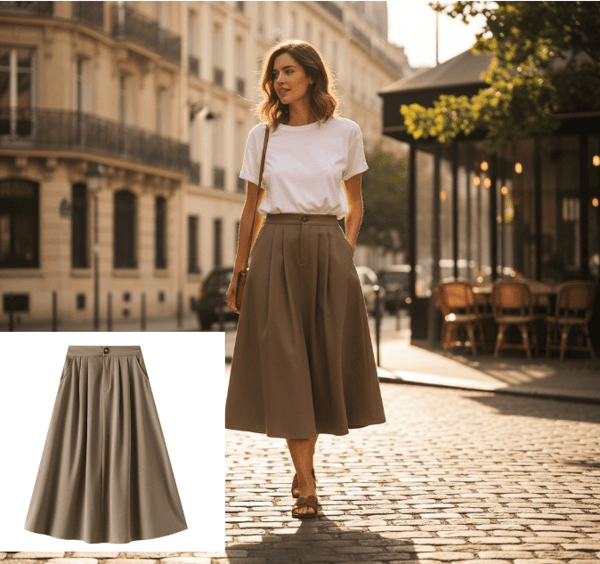
AI product photography uses artificial intelligence to generate, edit, and enhance product images for ecommerce. Transform white background product photos into professional fashion photography, lifestyle product images, and model shots without traditional photoshoots, expensive models, or studio rentals.
Explore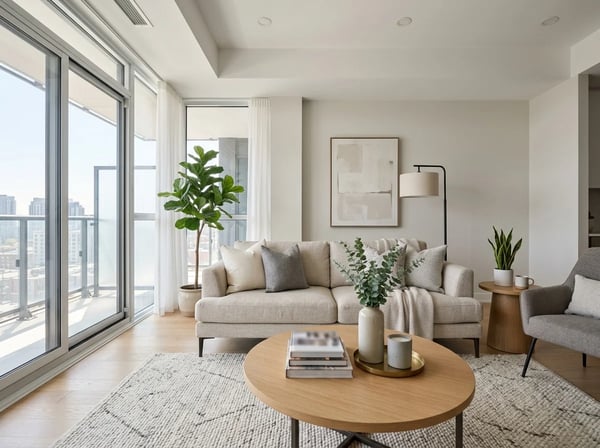
AI real estate photo editing lets agents and photographers modify property photos with natural-language instructions. Instead of briefing a retoucher and waiting for revisions, you upload a photo, describe what you want changed, and get a result you can iterate on immediately. DeepKolor supports virtual staging for vacant rooms, sky replacement for exteriors, object removal for cluttered spaces, and lighting enhancement for dark interiors.
Explore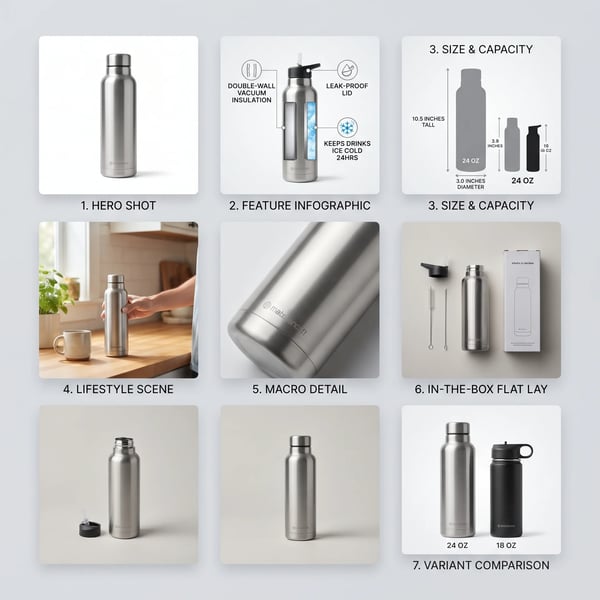
The Amazon Product Images skill is DeepKolor's guided workflow for listing galleries. You upload real product photos; the skill plans the image set, delivers the compliant main image first, then produces each secondary image — feature callouts, size charts, lifestyle scenes, detail shots — in one consistent style. Claims stay honest: only the specs you provide make it onto an image.
Explore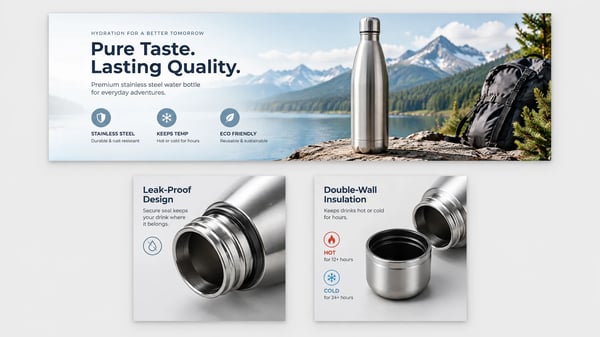
It is DeepKolor's guided agent skill for the A+ section of an Amazon detail page — the brand-owned module area below the product description. You upload real product photos, a logo, and the facts you can claim; it plans the page, generates each module image at spec, and flags anything that risks rejection. Listing photos and other marketplaces stay out of scope.
Explore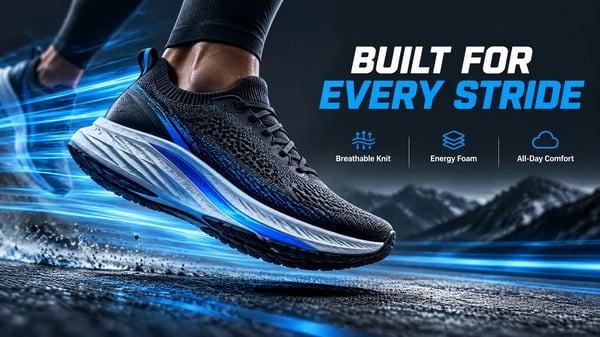
It is DeepKolor's agent skill for the full product detail page — the sequence of sales images under the buy box on marketplaces and DTC stores. You upload real product photos and the claims you can verify; it plans the page from buyer demand and generates each module image, one style across the set. Amazon A+ modules and listing galleries are separate skills.
Explore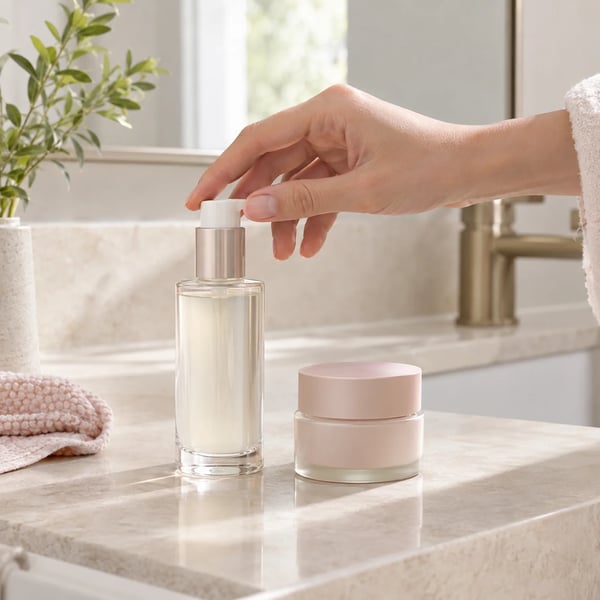
The Ecommerce Scene Images skill is DeepKolor's guided workflow for product-in-context scene sets. You upload real product photos; the skill plans the scenes around buyer questions, generates each image independently at 1:1, and keeps your product recognizable across the whole set. The default output is eight square scenes in one campaign style.
Explore
Templates make every channel look the same. This generator composes for the click.
Explore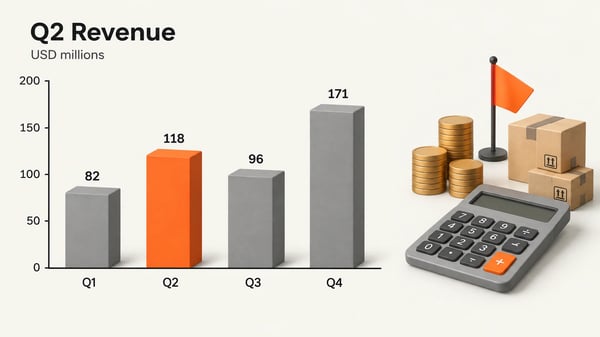
An AI infographic generator turns what you know into what people see: explainer diagrams with short in-image labels, and data charts redesigned for clarity. DeepKolor generates finished editorial-style images — concepts become cycle, pipeline, hub, before/after, or layer diagrams, while chart screenshots and raw data are redrawn with your exact values preserved. All in-image text follows your language, so the same tool works for English, Chinese, Japanese, and Spanish audiences.
Explore
Most cover makers hand you a template. This one hands you a finished cover.
Explore
Most generators produce a picture. This one produces a cover.
Explore
Most tools give you a canvas. This Instagram post generator gives you a composed post.
Explore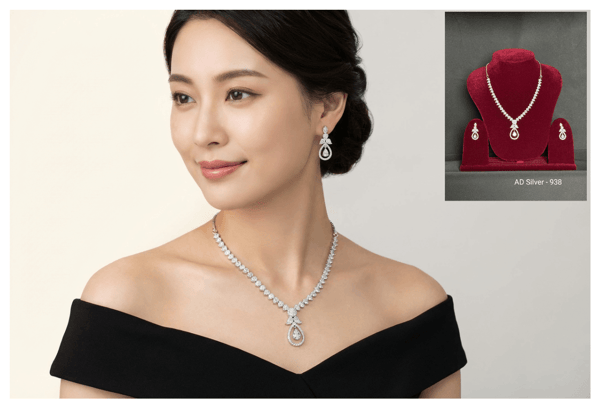
Virtual jewelry try on is an AI workflow that shows how jewelry looks on a real person before purchase or before launch. For shoppers, that means trying on jewelry online with your own photo instead of guessing from packshots. For jewelry brands, it means creating jewelry on model photos, product visuals, and marketing assets faster without a traditional shoot.
Explore